Piluo Paleolithic Site in Daocheng, Sichuan
Introduction
The Piluo Paleolithic Site is a significant archaeological location situated in Daocheng county, Sichuan province. This site has gained attention due to its remarkable contributions to the understanding of early human activity on the Qinghai-Tibetan Plateau. Rich in ancient relics, the Piluo site provides crucial insights into the survival strategies and adaptations of early human populations in a high-altitude environment. Discovered as part of extensive archaeological explorations in recent years, the findings from this site have further enriched the historical narrative of human migration and cultural development in this region. Notably, the Piluo Paleolithic Site is part of a broader set of archaeological discoveries in Sichuan, a region known for its deep cultural roots and numerous ancient sites.
Historical Background
The Piluo Paleolithic Site represents a pivotal period in early human history, with artifacts dating back at least 130,000 years. The site is situated in the highlands of western Sichuan, an area that has been a focal point for archaeological research due to its challenging environment and historical significance. This region has been a crossroads of cultural exchanges and migration pathways, which is evident from the variety of cultural relics found across different sites in Sichuan. The Piluo site, in particular, offers a window into the prehistoric era when early humans were developing strategies to adapt to high-altitude living conditions. The historical importance of this site is magnified by its contribution to understanding the broader patterns of human evolution and migration in Asia.
Archaeological Discoveries
Excavation Process
The excavation process at the Piluo Paleolithic Site has been meticulously carried out by a team of experienced archaeologists. The site was identified as a key location for understanding early human activity on the Qinghai-Tibetan Plateau. Excavations have involved systematic layers of exploration to uncover the stratigraphy of the site, ensuring that the context of each find is preserved. Modern archaeological techniques have been employed to date the artifacts and analyze the sediment layers, which has provided a comprehensive timeline of human habitation in the region. The ongoing excavation efforts continue to yield significant finds, adding depth to the understanding of early human life and environmental adaptation.
Artifacts Found
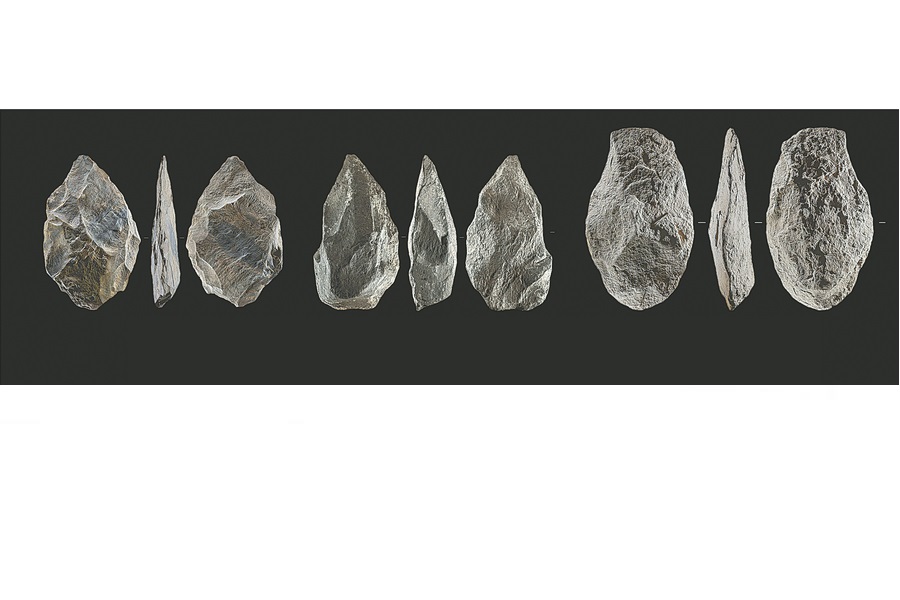
The Piluo Paleolithic Site has been a treasure trove of artifacts that illustrate the ingenuity and adaptability of early human populations. Among the nearly 10,000 relics unearthed, stone tools are the most prevalent, offering insights into the technological advancements of the time. These tools exhibit a range of functions and sophistication, indicating a complex understanding of tool-making and usage. Additionally, the site has revealed evidence of other human activities that suggest a rich cultural life, including the use of natural resources and the development of survival strategies in a harsh climate. These artifacts are critical in piecing together the lifestyle and cultural practices of early humans in this high-altitude environment.
Significance
Cultural Impact
The discoveries at the Piluo Paleolithic Site hold immense cultural significance, providing a deeper understanding of early human societies and their interactions with challenging environments. The site exemplifies how early humans adapted to life on the Qinghai-Tibetan Plateau, a region that posed significant survival challenges due to its altitude and climate. The archaeological findings contribute to a broader narrative of human resilience and innovation, highlighting the cultural diversity and exchanges that have shaped human history in Sichuan and beyond. This site, along with other archaeological locations in the region, underscores the long-standing human presence and cultural development in Sichuan, enriching the cultural heritage of China.
Academic Research
The Piluo Paleolithic Site has become a focal point for academic research, attracting scholars interested in paleolithic archaeology, human migration and environmental adaptation. The site's rich repository of artifacts provides ample opportunity for research into the technological and cultural practices of early human societies. Academic studies have focused on the lithic analysis of stone tools, paleoenvironmental reconstruction, and the adaptation strategies of humans to high-altitude living. The site is considered a world-class archaeological discovery, offering key insights into how early humans coped with and thrived in extreme environments. Research at Piluo continues to contribute significantly to the fields of anthropology and archaeology, offering valuable data for comparative studies with other paleolithic sites globally.
Preservation Efforts
Preservation efforts at the Piluo Paleolithic Site are crucial in maintaining the integrity and accessibility of this important archaeological location. Given its significance, there is a strong emphasis on protecting the site from environmental and human-induced threats. Efforts include the implementation of site management plans, controlled excavations and the use of technology to document and monitor changes. Collaboration with local authorities and the community is also vital in promoting awareness and ensuring the site's preservation for future generations. These efforts are part of a broader initiative to safeguard China's rich archaeological heritage, allowing for continued research and education on the nation's ancient past.








